Prescription Vitamin D and Calcium Supplements for Osteoporosis Patients

Prescription Vitamin D and Calcium Supplements for Osteoporosis Patients

When a patient is diagnosed with osteoporosis, the medical focus immediately shifts toward high-potency medications—the “builders” that repair and strengthen the skeletal frame. However, a common misconception is that these medications do the work alone. In reality, the most advanced bone drugs in the world are ineffective if the body lacks the raw materials required to execute the repairs.

Think of your skeleton as a construction site. The medications (such as Prolia, Reclast, or Evenity) are the skilled contractors and architects directing the work. But even the best architect cannot build a house without bricks and mortar. In this analogy, calcium represents the bricks, and Vitamin D is the mortar—and the delivery driver—that ensures those bricks actually make it to the site.

1. The Calcium Conundrum: Not All Bricks Are Equal

Calcium is the primary mineral found in bone, but it is also vital for heart and muscle function. If …


View More Prescription Vitamin D and Calcium Supplements for Osteoporosis Patients
Prescription Medications That Cause Weight Gain as a Side Effect

Prescription Medications That Cause Weight Gain as a Side Effect

For many patients, starting a new prescription medication is a step toward reclaimed health. However, a common and often distressing complication can arise: unexplained weight gain. This phenomenon is frequently sidelined in clinical discussions, where the focus is understandably on treating the primary condition—be it depression, inflammation, or hypertension.

When the scale begins to climb, patients often feel a sense of personal failure or a lack of discipline. In reality, many pharmaceutical compounds “hack” the body’s internal signaling, overriding the natural cues for hunger and energy storage. Understanding the biological mechanisms behind medication-induced weight gain is essential for patient advocacy and for maintaining a balanced “benefit-versus-risk” approach to long-term treatment.

1. The Three Biological Mechanisms: How Drugs “Hack” the Scale

Medication-induced weight gain is rarely a simple matter of “calories in versus calories out.” Instead, drugs tend to interfere with one of three primary metabolic systems:

Appetite Stimulation (The “Hunger

View More Prescription Medications That Cause Weight Gain as a Side Effect
Intravenous Bisphosphonates for Osteoporosis and Annual Infusion Options

Intravenous Bisphosphonates for Osteoporosis and Annual Infusion Options

For many patients diagnosed with osteoporosis, the initial treatment plan involves a weekly or monthly pill. However, oral bisphosphonates (such as Alendronate or Ibandronate) come with a significant set of challenges: they must be taken on an empty stomach with a full glass of water, and the patient must remain strictly upright for at least 30 to 60 minutes to prevent esophageal irritation. Furthermore, the digestive tract is remarkably inefficient at absorbing these drugs; often, less than 1% of the oral dose actually reaches the bone.

This is where Intravenous (IV) Bisphosphonates have revolutionized bone care. By “bypassing the gut,” these medications eliminate gastrointestinal distress and ensure that the skeletal system receives the full, potent dose of the medication. The most common of these, Zoledronic Acid (brand name Reclast), offers the ultimate convenience: a single, 15-minute infusion that provides a full year of skeletal protection.

1. The Pharmacology of

View More Intravenous Bisphosphonates for Osteoporosis and Annual Infusion Options
PCOS Weight Gain Management and Metabolic Health Issues

PCOS Weight Gain Management and Metabolic Health Issues

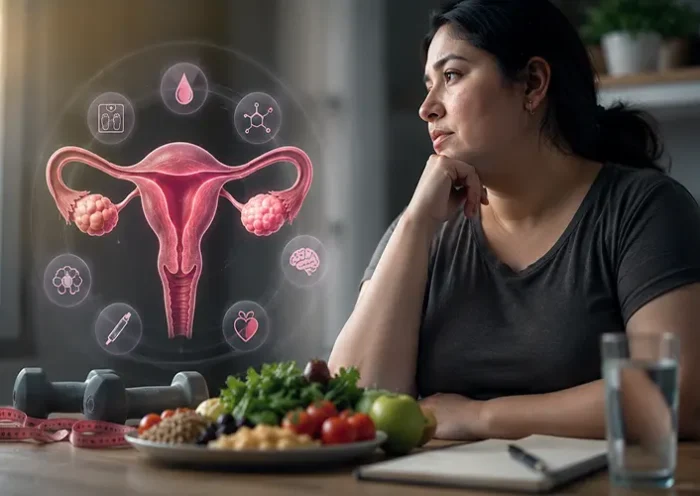
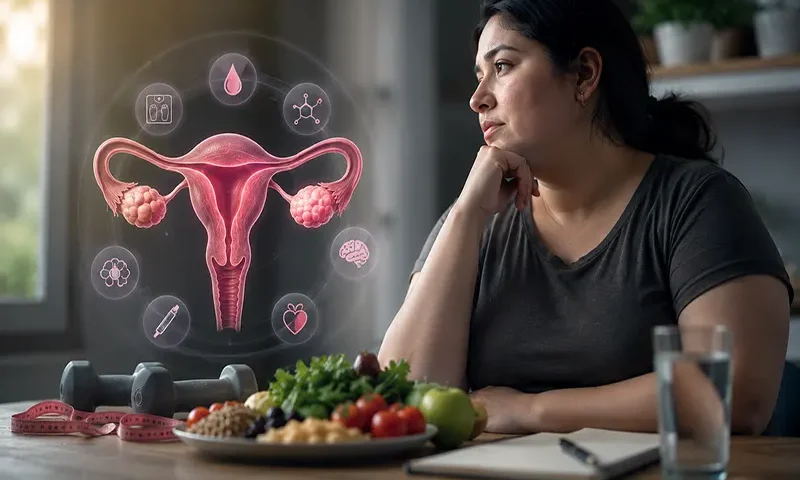
For many women, a diagnosis of Polycystic Ovary Syndrome (PCOS) feels like a mystery of reproductive health. However, the modern medical consensus has shifted: PCOS is fundamentally a metabolic disorder that manifests through the reproductive system. At the heart of this condition lies a complex web of hormonal “cross-talk” that makes weight management feel like an uphill battle.

The “PCOS Weight Trap” is a physiological reality where high insulin levels and elevated androgens (male-pattern hormones) create a biological environment that favors fat storage over energy utilization. Understanding this mechanism is the first step toward reclaiming your metabolic health and breaking the cycle of stubborn weight gain.

1. The Insulin-Androgen Connection: The Vicious Cycle

The primary driver of weight issues in PCOS is a phenomenon called hyperinsulinemia. Roughly 70% of women with PCOS have some degree of insulin resistance, regardless of their weight. In this state, your cells ignore the …

View More PCOS Weight Gain Management and Metabolic Health Issues
Healthy Non-Perishable Office Desk Breakfast Snacks and Ideas

Healthy Non-Perishable Office Desk Breakfast Snacks and Ideas

For the modern office professional, the hours between 8:00 AM and noon are a productivity battlefield. It is the time for deep work, high-stakes Zoom calls, and clearing the inbox. However, it is also the time when the “Vending Machine Trap” is most alluring. When you haven’t had time for a proper breakfast, that 10:30 AM blood sugar dip makes the office-provided granola bars (which are often just candy bars in disguise) or the breakroom donuts look like a survival necessity.

The result? A massive insulin spike followed by an eleventh-hour energy crash. To maintain a “high-performance” state, you need to build a Desk-Drawer Pantry. By stocking shelf-stable, nutrient-dense components, you can assemble a breakfast that supports brain function and metabolic stability without ever needing a refrigerator.

1. The Nutritional Hierarchy of Snacking

A successful desk breakfast isn’t just about stopping hunger; it’s about managing the “Power Trio” of …

View More Healthy Non-Perishable Office Desk Breakfast Snacks and Ideas