
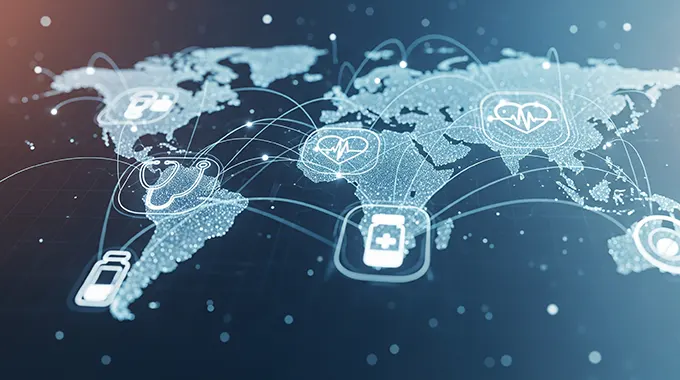
Expanding Global Patient Access: Innovations in Digital Health and Telemedicine

Expanding Global Patient Access: Innovations in Digital Health and Telemedicine

Global healthcare disparities have long been a challenge, with millions of individuals around the world lacking access to quality medical care. However, in recent years, the rise of digital health technologies and telemedicine has presented a revolutionary opportunity to bridge this gap and expand patient access to healthcare services on a global scale. From remote consultations to mobile health applications, innovations in digital health and telemedicine are transforming the way healthcare is delivered, particularly in underserved regions of the world.

1. The Impact of Digital Health Innovations

Innovations in digital health are reshaping the healthcare landscape by harnessing the power of technology to improve access to medical expertise and services. Mobile health applications, wearable devices, and remote monitoring tools enable patients to track their health metrics, receive virtual consultations, and access vital healthcare information from anywhere in the world. These advancements not only empower patients to take control of their …

View More Expanding Global Patient Access: Innovations in Digital Health and Telemedicine

Enhancing Diagnostic Accuracy in Developing Countries: The Role of Artificial Intelligence

Enhancing Diagnostic Accuracy in Developing Countries: The Role of Artificial Intelligence

Access to quality healthcare services is a fundamental right that should not be limited by geographic location or economic status. In developing countries, where healthcare resources are often strained and healthcare professionals are in short supply, leveraging technology such as artificial intelligence (AI) has the potential to revolutionize the diagnostic process and improve patient outcomes. The integration of AI in healthcare systems in developing countries holds promise in enhancing diagnostic accuracy, streamlining healthcare delivery, and ultimately transforming the quality of care available to individuals in underserved communities.

1. Challenges in Diagnostic Accuracy in Developing Countries

One of the significant challenges faced by healthcare systems in developing countries is the limited access to skilled healthcare professionals and advanced diagnostic tools. Misdiagnosis and delayed diagnosis are common due to a lack of experienced physicians, inadequate medical infrastructure, and resource constraints. This can lead to poor treatment outcomes, higher healthcare costs, and unnecessary …

View More Enhancing Diagnostic Accuracy in Developing Countries: The Role of Artificial Intelligence