

Addressing Healthcare Workforce Shortages and Burnout in Post-Pandemic Global Health Systems

Addressing Healthcare Workforce Shortages and Burnout in Post-Pandemic Global Health Systems

The COVID-19 pandemic has not only exposed the vulnerabilities of global healthcare systems but has also exacerbated existing challenges, particularly in relation to healthcare workforce shortages and burnout. As the world grapples with the aftermath of the pandemic, addressing these issues is paramount to ensuring the sustainability and resilience of healthcare systems worldwide.

1. The Impact of the Pandemic on Healthcare Workforce

The unprecedented demands placed on healthcare workers during the pandemic have taken a toll on their physical, emotional, and mental well-being. Long hours, increased patient loads, exposure to the virus, and the emotional strain of witnessing unprecedented suffering have contributed to high levels of burnout and fatigue among healthcare professionals. The toll of the pandemic has been particularly pronounced in regions already confronting healthcare workforce shortages.

2. Addressing Pre-Existing Workforce Shortages

Even before the pandemic, many regions faced healthcare workforce shortages, including a shortage of physicians, nurses, and …

View More Addressing Healthcare Workforce Shortages and Burnout in Post-Pandemic Global Health Systems
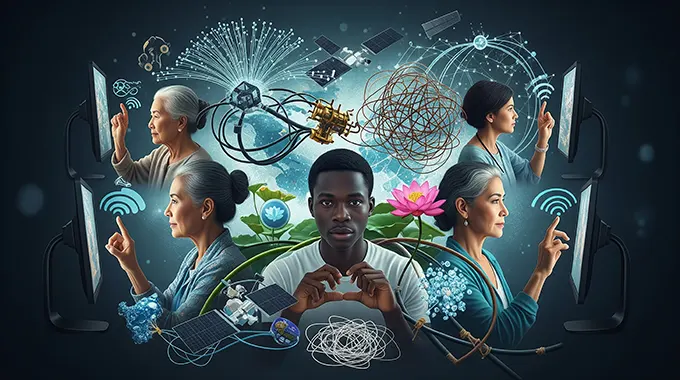
Addressing Cross-Cultural Challenges in Implementing Mental Health Telemedicine Programs Globally

Addressing Cross-Cultural Challenges in Implementing Mental Health Telemedicine Programs Globally

The advent of telemedicine has revolutionized the way mental health services are delivered, offering a convenient and accessible alternative to traditional in-person therapy sessions. While telemedicine presents numerous benefits, such as increased access to care and reduced stigma associated with seeking help, implementing mental health telemedicine programs on a global scale comes with its own set of cross-cultural challenges. From linguistic barriers to differing cultural beliefs surrounding mental health, addressing these challenges is crucial to ensure the effectiveness and success of telemedicine initiatives worldwide.

1. Language and Communication Barriers

One of the primary challenges in implementing mental health telemedicine programs globally is overcoming language and communication barriers. Effective therapy relies on clear and accurate communication between the therapist and the patient. When providing services across cultures and languages, ensuring that interpreters or therapists proficient in the patient’s native language and dialect are available is essential. Additionally, cultural nuances in language …

View More Addressing Cross-Cultural Challenges in Implementing Mental Health Telemedicine Programs Globally