
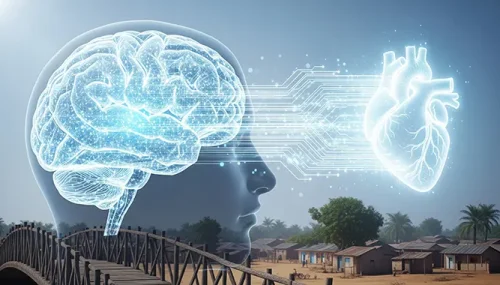
Access to quality healthcare services is a fundamental right that should not be limited by geographic location or economic status. In developing countries, where healthcare resources are often strained and healthcare professionals are in short supply, leveraging technology such as artificial intelligence (AI) has the potential to revolutionize the diagnostic process and improve patient outcomes. The integration of AI in healthcare systems in developing countries holds promise in enhancing diagnostic accuracy, streamlining healthcare delivery, and ultimately transforming the quality of care available to individuals in underserved communities.
1. Challenges in Diagnostic Accuracy in Developing Countries
One of the significant challenges faced by healthcare systems in developing countries is the limited access to skilled healthcare professionals and advanced diagnostic tools. Misdiagnosis and delayed diagnosis are common due to a lack of experienced physicians, inadequate medical infrastructure, and resource constraints. This can lead to poor treatment outcomes, higher healthcare costs, and unnecessary suffering for patients.
2. Transformative Potential of Artificial Intelligence in Diagnostics
Artificial intelligence offers a range of tools and applications that have the potential to revolutionize the diagnostic process in healthcare. AI-powered diagnostic tools can analyze vast amounts of data quickly and accurately, leading to more precise and timely diagnoses. Machine learning algorithms can identify patterns in medical images, laboratory results, and patient records that may not be immediately apparent to human clinicians, thereby improving diagnostic accuracy and treatment planning.
3. Advantages of AI in Diagnostic Accuracy
- Faster and More Accurate Diagnoses: AI can analyze medical data at a speed and scale that surpasses human capabilities, leading to faster and more accurate diagnoses.
- Access to Expertise: AI can bring specialized medical expertise to underserved regions by providing diagnostic support based on vast databases of medical knowledge and case studies.
- Cost-Effective Solutions: AI-powered diagnostic tools can offer cost-effective solutions for healthcare systems in developing countries by reducing the need for expensive diagnostic equipment and minimizing the number of unnecessary tests and procedures.
4. Implementing AI in Developing Countries
While the potential benefits of AI in improving diagnostic accuracy are evident, there are challenges to its effective implementation in developing countries. Factors such as limited internet connectivity, infrastructure constraints, data privacy concerns, and the need for specialized training for healthcare professionals must be addressed to ensure the successful integration of AI in healthcare systems.
5. Looking Ahead: The Future of AI in Healthcare
As AI technologies continue to evolve and become more accessible, the role of artificial intelligence in improving diagnostic accuracy in developing countries will only continue to grow. Collaborations between healthcare providers, technology developers, policymakers, and international organizations will be essential in harnessing the full potential of AI to transform healthcare delivery and improve patient outcomes in underserved communities.
The integration of artificial intelligence in healthcare has the potential to revolutionize the diagnostic process and improve patient care in developing countries. By leveraging AI-powered diagnostic tools, healthcare systems can enhance diagnostic accuracy, increase access to quality care, and ultimately alleviate the burden of disease in underserved populations. With concerted efforts to overcome implementation challenges and foster collaborations, the transformative impact of AI in healthcare could pave the way for a more equitable and efficient healthcare system in developing countries.