
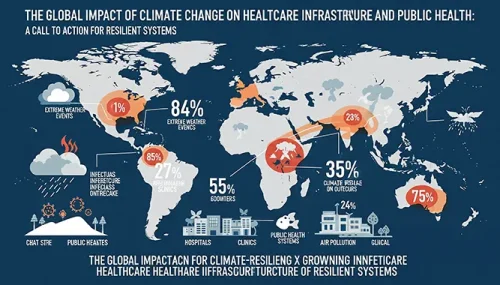
Air pollution is a pressing global issue that has detrimental effects on human health, particularly respiratory health. With the rapid industrialization and urbanization of many countries, the prevalence of air pollution has risen significantly, posing a grave threat to individuals’ respiratory systems worldwide. In this article, we will delve into the widespread impact of air pollution on human respiratory health and the associated diseases on a global scale.
Air Pollution and Respiratory Health
- Particulate Matter (PM) and Respiratory Morbidity: Exposure to fine particulate matter, or PM2.5, has been linked to an increased risk of respiratory diseases such as asthma, bronchitis, and reduced lung function. These microscopic particles can deeply penetrate the respiratory system, causing inflammation and long-term health consequences.
- Ozone (O3) and Respiratory Issues: High concentrations of ground-level ozone have been identified as a trigger for respiratory problems, exacerbating conditions in individuals with pre-existing lung diseases. Ozone exposure can lead to worsened asthma symptoms, increased hospitalizations, and reduced lung function.
- Nitrogen Dioxide (NO2) and Lung Function: Elevated levels of nitrogen dioxide, primarily originating from vehicle emissions and industrial activities, have been associated with impaired lung development in children, heightened respiratory symptoms, and an increased incidence of respiratory infections.
Global Disease Burden
- Asthma: The prevalence of asthma, a chronic respiratory condition characterized by airway inflammation and constriction, is significantly influenced by air pollution. High levels of pollutants, including nitrogen oxides and particulate matter, contribute to the onset and exacerbation of asthma symptoms, impacting millions of individuals worldwide.
- Chronic Obstructive Pulmonary Disease (COPD): Long-term exposure to air pollutants, particularly in urban areas, has been identified as a major risk factor for COPD, a progressive respiratory illness comprising chronic bronchitis and emphysema. The global burden of COPD is substantial, with air pollution playing a significant role in its etiology and progression.
- Lung Cancer: Air pollution, specifically the inhalation of carcinogenic substances such as diesel exhaust and certain air toxics, has been linked to an increased risk of lung cancer. The global impact of air pollution on lung cancer incidence underscores the far-reaching consequences of compromised air quality on respiratory health.
Vulnerable Populations
- Children: Young children are particularly susceptible to the adverse effects of air pollution due to their developing respiratory systems. Prolonged exposure to pollutants can impair lung growth and function, leading to a predisposition to respiratory ailments in later life.
- Elderly Individuals: Aging populations are disproportionately affected by air pollution-induced respiratory complications, often experiencing heightened susceptibility to infections, exacerbations of existing respiratory conditions, and decreased respiratory reserve.
Mitigation and Public Health Interventions
- Emission Reductions: Implementing stringent regulations and initiatives to curb emissions from industrial facilities, transportation, and energy production is crucial for reducing the global burden of air pollution and its impact on respiratory health.
- Public Awareness and Advocacy: Education and advocacy efforts aimed at raising awareness about the health hazards of air pollution can drive collective action and policy changes to address environmental factors contributing to respiratory diseases.
- Healthcare Interventions: Access to quality healthcare, early detection of respiratory conditions, and comprehensive treatment modalities are essential in addressing the respiratory health challenges posed by air pollution.
The global impact of air pollution on human respiratory health and disease is a multifaceted issue with far-reaching implications for public health. Addressing the complex interplay between environmental pollutants and respiratory well-being necessitates concerted efforts in policy formulation, environmental stewardship, and public health initiatives to mitigate the adverse effects of air pollution on individuals worldwide. By prioritizing clean air and sustainable practices, societies can protect respiratory health and mitigate the global burden of air pollution-related respiratory diseases.