
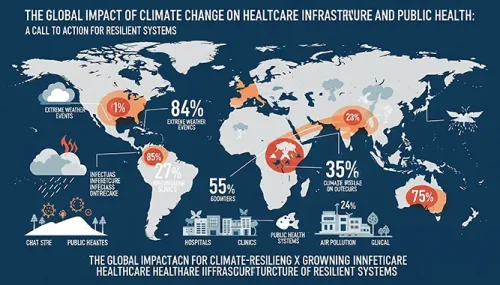
Climate change presents an existential threat that transcends borders and affects every aspect of our lives, including public health and healthcare infrastructure. As the world grapples with the escalating crisis of global warming, the repercussions on healthcare systems and the well-being of populations worldwide are becoming increasingly evident. This article explores the profound impact of climate change on healthcare infrastructure and public health on a global scale, highlighting the urgent need for concerted action to build resilience and mitigate the growing risks.
Climate Change and Healthcare Infrastructure: Vulnerabilities and Challenges
1. Extreme Weather Events
- The rise in extreme weather events, such as hurricanes, wildfires, and heatwaves, poses significant challenges to healthcare infrastructure. Hospitals and healthcare facilities are at risk of damage and disruption, compromising the ability to deliver essential medical services during and after disasters.
2. Infrastructure Vulnerability
- Aging healthcare infrastructure in many regions is ill-equipped to withstand the effects of climate change. Inadequate resilience measures and outdated facilities can impede the delivery of healthcare services, exacerbating the strain on already overburdened systems.
3. Supply Chain Disruptions
- Climate-related disruptions to supply chains, such as interruptions in the delivery of medical supplies and medications, can have far-reaching consequences on healthcare delivery. Dependence on fragile supply chains heightens the risk of shortages and delays in critical healthcare resources.
Public Health Implications of Climate Change
1. Vector-Borne Diseases
- The changing climate is influencing the distribution and prevalence of vector-borne diseases, such as malaria, dengue fever, and Lyme disease. Rising temperatures and altered precipitation patterns create conducive environments for disease-carrying vectors, posing significant public health risks.
2. Air Quality and Respiratory Health
- Poor air quality resulting from increased air pollution and wildfires exacerbates respiratory conditions and poses a threat to public health. Vulnerable populations, such as children, the elderly, and individuals with pre-existing respiratory ailments, are particularly susceptible to the adverse effects of deteriorating air quality.
3. Waterborne Diseases
- Changes in precipitation patterns and extreme weather events can lead to water contamination and the spread of waterborne illnesses. Access to clean water and sanitation is essential for preventing waterborne diseases and safeguarding public health in the face of climate-related challenges.
Call to Action: Building Resilience and Adaptation Strategies
The intersection of climate change, healthcare infrastructure, and public health underscores the critical need for proactive measures to mitigate the impacts and enhance resilience. Governments, healthcare organizations, and communities must collaborate to develop and implement adaptation strategies that safeguard healthcare systems and protect public health in the changing climate.
1. Investment in Climate-Resilient Infrastructure
- Prioritizing investments in climate-resilient healthcare infrastructure can bolster the capacity to withstand extreme weather events and ensure continuity of care in emergencies. Retrofitting existing facilities and implementing green infrastructure solutions can enhance resilience and sustainability.
2. Climate-Responsive Public Health Policies
- Implementing public health policies that address the health impacts of climate change is essential for protecting populations at risk. Strategies that promote environmental health, mitigate air pollution, and enhance disease surveillance can help mitigate the health risks associated with a changing climate.
3. Community Engagement and Education
- Engaging communities in climate resilience efforts and raising awareness about the connections between climate change and public health are crucial steps in building adaptive capacity. Empowering individuals to take actions that protect their health and well-being in a changing climate is essential for fostering resilience at the grassroots level.
Towards a Sustainable Future
The global impact of climate change on healthcare infrastructure and public health demands an urgent and coordinated response from all sectors of society. By recognizing the interconnected nature of climate change, health, and infrastructure, we can work towards building resilient systems that protect the well-being of populations worldwide. Through proactive adaptation measures, sustainable infrastructure investments, and collaborative efforts, we can mitigate the health risks associated with climate change and ensure a healthier, more sustainable future for generations to come. Let us heed the call to action and commit to a world where healthcare infrastructure is resilient, public health is protected, and communities thrive in the face of a changing climate.